Advertising Campaign: The Power of Strategic Advertising
In today’s highly competitive business landscape, you face a reality that previous generations of entrepreneurs have never faced. The global advertising market is expected to reach $1.24 trillion by 2025, highlighting how critical strategic advertising is to business survival and growth. You can no longer rely solely on word-of-mouth marketing or hope that customers will discover your business organically.
When you implement a well-crafted advertising campaign, you’re not just promoting your products or services—you’re leveraging a powerful multiplier that can significantly increase your business’s reach, revenue, and market presence. Unlike general marketing efforts that cast a wide net, advertising campaigns are laser-focused, strategic initiatives designed to achieve specific business goals within specific timeframes.
The competitive advantage you gain through strategic advertising is enormous. While your competitors still rely on outdated marketing methods, you can leapfrog your competitors by reaching thousands of potential customers simultaneously, building brand recognition, and establishing market authority in ways that would have been impossible just decades ago.
Key benefits that will change the course of your business
Your business experiences transformational changes when you harness the power of strategic advertising campaigns. The most immediate and obvious benefit you’ll notice is a massive expansion in brand awareness that far exceeds your organic reach. Every dollar you invest in a well-targeted advertising campaign has the potential to expose your brand to hundreds or thousands of new potential customers who would never have discovered you otherwise.
The direct impact on your sales revenue and customer acquisition becomes apparent within weeks of launching your campaign. You’re not just hoping customers will find you—you’re actively putting your business in front of people who are already interested in what you offer. This proactive approach typically results in faster conversion rates and higher-quality leads than passive marketing strategies.
Your brand’s credibility and market position receive a significant boost when potential customers see your ads across multiple platforms. There’s a psychological phenomenon where consistent advertising creates an impression of business stability and success, making customers more likely to trust your brand and choose it over lesser-known competitors.
Perhaps most importantly, you build long-term value by developing brand equity. Each successful campaign contributes to your brand’s overall value and market recognition, creating a compounding effect that makes future advertising efforts more effective and cost-effective.
Growth Engine: How Advertising Campaigns Drive Business Expansion
You face the challenge of breaking through the market saturation and noise in virtually every industry today. An effective advertising campaign acts as a breakthrough mechanism, cutting through the clutter and capturing attention in ways that organic marketing simply cannot. You’re essentially buying your way to the front of the line in your customers’ minds.
When you understand how to accelerate the customer journey from awareness to purchase, you can significantly reduce the time it takes to convert leads into paying customers. Instead of waiting months for prospects to gradually become familiar with your brand, you can compress that timeline to weeks or even days with strategic advertising placement.
The scalable growth systems you build through ad campaigns accumulate over time. Each successful campaign teaches you more about your audience, refines your messaging, and improves your targeting capabilities. This means your advertising efforts become increasingly effective and efficient as you gain experience and data.
Building momentum through consistent market presence is crucial for long-term success. When you maintain consistent advertising activity, you create a snowball effect where each campaign builds on the success of the previous ones, gradually establishing your business as a recognized and trusted name in your industry.

Types of strategic campaigns that achieve maximum impact
Your choice of campaign type should directly align with your current business goals and stage of growth. Brand awareness campaigns work particularly well when entering new markets or launching your business, as they focus on introducing your brand to the largest possible number of relevant people within your target demographic.
Product launch campaigns require a different approach, focusing on generating excitement and urgency around your new offerings. These campaigns typically combine educational content about your product’s benefits with compelling calls to action that encourage immediate purchasing decisions.
Lead generation campaigns act as sales pipeline builders, designed to capture contact information and nurture leads through your sales process. These campaigns often offer valuable content or incentives in exchange for lead information, allowing you to build relationships over time.
Customer retention campaigns focus on maximizing the lifetime value of your existing customers. Since acquiring new customers costs significantly more than retaining existing ones, these campaigns offer an exceptional return on investment by encouraging repeat purchases and building customer loyalty.
Blueprint for Campaign Success: Strategic Planning Essentials
The success of your campaign depends largely on setting clear, measurable goals before you begin. You need to know exactly what you want to achieve—whether it’s increasing sales by a specific percentage, generating a specific number of leads, or expanding into new market segments. Without clear goals, you can’t measure success or effectively optimize your campaigns.
Defining and thoroughly researching your target audience is perhaps the most crucial step in campaign planning. You need to understand not just their demographics, but their psychographics—what motivates your ideal customers, where they spend their time, what problems they’re trying to solve, and how they prefer to consume information.
Crafting compelling messages that resonate with your market requires speaking directly to your audience’s needs, desires, and pain points. Your messages should clearly communicate the unique value proposition that sets your business apart from competitors while addressing the specific benefits your customers value most.
Choosing the optimal mix of advertising channels and platforms ensures you reach your audience where they are most receptive to your message. This may include social media platforms, search engines, traditional media, or emerging digital channels, depending on your audience’s preferences and behaviors.
Measuring What Matters: Key Performance Indicators for Campaign Success
Your ability to accurately measure campaign success determines whether your advertising investment is generating positive returns. Revenue-focused metrics, such as return on investment (ROI) and return on ad spend (ROAS), provide the clearest picture of your campaign’s financial impact. These metrics help you understand exactly how much revenue each dollar of advertising spend generates.
Customer acquisition metrics, particularly cost per acquisition (CPA) and customer lifetime value (CLV), help you understand the long-term value of your advertising efforts. Knowing these numbers can help you make informed decisions about how much to invest in acquiring new customers while maintaining profitability.
Engagement metrics such as click-through rates, conversion rates, and social media engagement rates provide insights into how well your messages resonate with your audience. These metrics help you identify which aspects of your campaigns are successful and which need improvement.
Brand metrics, including brand awareness, recall, and sentiment analysis, help you understand the broader impact of your advertising efforts beyond immediate sales. These metrics become especially important for long-term brand building and market positioning strategies.
Real-World Success Stories: Campaigns That Changed Everything
Consider the transformation of a small local bakery that implemented a targeted social media campaign focused on delivery during the pandemic. Within three months, they expanded from serving their immediate neighborhood to delivering across the entire metropolitan area. Increasing revenue by 340% and establishing partnerships with local businesses.
An e-commerce clothing brand achieved significant growth by implementing a multi-channel advertising strategy that included influencer partnerships, social media ads, and email marketing campaigns. Their systematic approach to testing different audiences and creative methods led to a 250% increase in online sales within six months.
A B2B software company established thought leadership in its industry through a content-focused advertising campaign that promoted educational webinars and white papers. This approach positioned them as industry experts, resulting in a 180% increase in qualified leads and numerous high-value enterprise contracts.
These success stories share common elements: clear goals, a deep understanding of your audience. Consistent messaging across multiple channels and continuous improvement based on performance data. You can replicate these strategies by adapting them to your specific industry and business model.
From Strategy to Implementation: An Implementation Roadmap
Building your campaign team requires either developing internal capabilities or partnering with external experts. You’ll need skills in creative development, campaign management, data analysis, and strategic planning. Many successful companies start with a hybrid approach, handling some aspects internally while outsourcing specialized tasks.
Your technology stack should include campaign management platforms, analytics tools, creative development software, and customer relationship management systems. The specific tools you choose will depend on your campaign types, budget, and technical requirements. But investing in the right technology infrastructure is essential to campaign success.
Creating your first campaign involves several important steps: defining your goal, researching your audience. Developing your creative assets, setting up tracking systems, launching your campaign, and monitoring performance. Start with a smaller budget and limited scope to test your approach before scaling up.
Integration with your existing marketing and sales processes ensures that your advertising efforts support your overall business goals. Your campaigns should work seamlessly with your website, sales team, and customer service. And other marketing activities to create a cohesive customer experience.
Overcoming Common Campaign Challenges
Budget constraints challenge most businesses, but you can maximize your advertising effectiveness through strategic resource allocation. Focus on the channels and audiences that deliver the highest return on investment. Gradually expanding your efforts as you demonstrate success and generate additional revenue.
Measuring attribution in a multichannel environment requires sophisticated tracking systems and analytics capabilities. You need to understand which touchpoints contribute to successful referrals and how different channels work together to achieve results. This knowledge enables you to optimize your budget allocation across channels.
Campaign performance often fluctuates during scaling, requiring you to maintain close monitoring and be prepared to adjust your approach. What works on a small scale may not work on a larger scale. So you should be prepared to adjust your targeting mix, creative, or channels as you grow.
Ad fatigue occurs when your audience gets tired of seeing the same ads over and over again. Combat this by regularly updating your creative assets. Testing new messaging methods and rotating your ads to keep your audience interested and engaged.
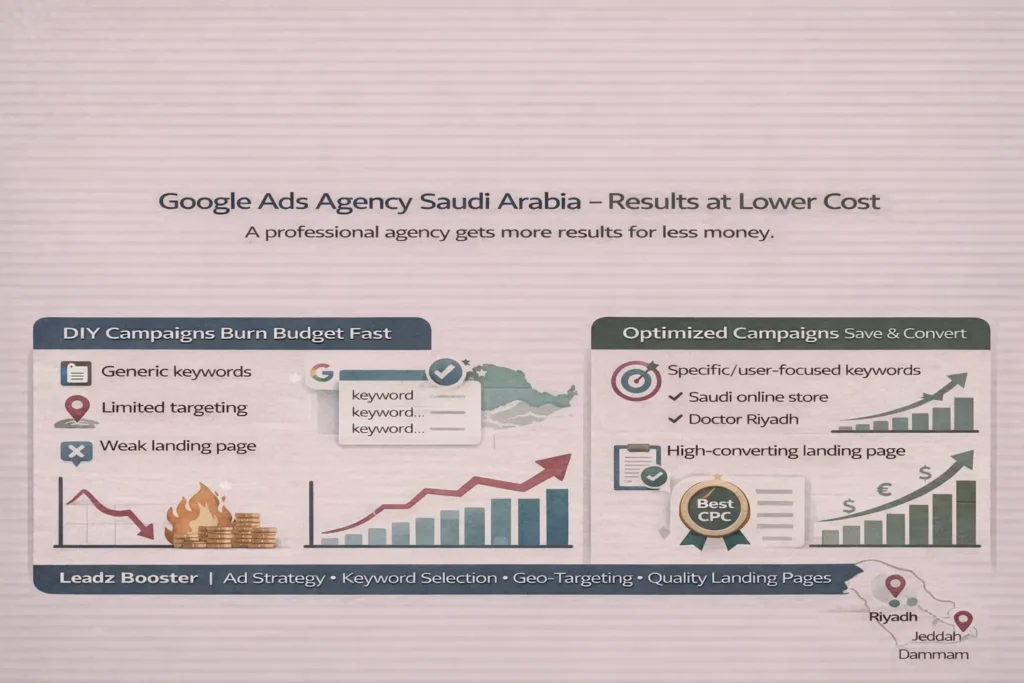
Want to reach millions of customers? Discover how Google Ads can skyrocket your products and services!

Future-Ready Advertising Approach
Emerging advertising technologies and platforms continue to evolve rapidly, providing new opportunities for businesses to reach their audiences. Artificial intelligence and machine learning are making campaign optimization more complex. New platforms and formats offer new ways to engage with customers.
Data privacy changes are reshaping how advertising campaigns are targeted and tracked. You must stay informed of regulatory changes and adapt your strategies to maintain effectiveness while respecting customer privacy preferences and legal requirements.
Omnichannel integration is becoming increasingly important as customers interact with brands across multiple touchpoints. Your advertising campaigns must work seamlessly across all channels to deliver consistent messaging and experiences. Regardless of where customers encounter your brand.
Sustainability considerations and ethical advertising are gaining importance among consumers and regulators. You must consider the environmental and social impact of your advertising efforts and ensure your campaigns align with broader corporate responsibility goals.
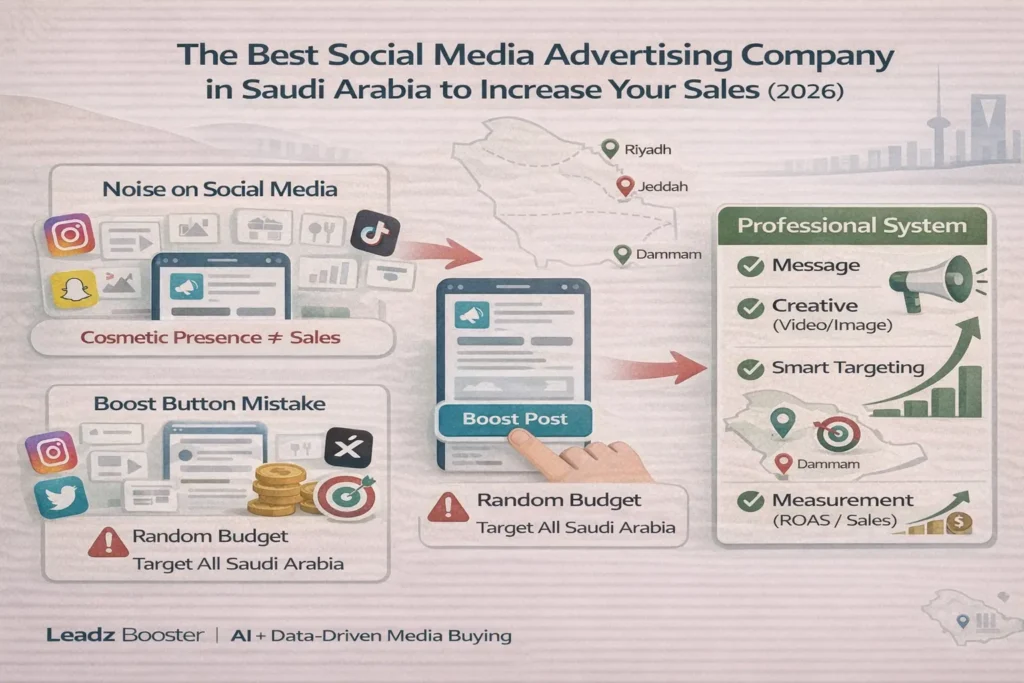
Unlock the power of Snap Ads and discover how they can skyrocket your business growth!
Your Action Plan: Launch Your Growth Campaign Today
The best time to plant a tree was 20 years ago. The second best time is now.– Chinese proverb
This wisdom applies perfectly to your advertising campaign strategy. You can’t wait for the perfect moment or until you’ve figured it all out. Your competitors are already executing their campaigns. And every day you delay is a day of missed opportunities and potential revenue.
Start by conducting a comprehensive analysis of your current marketing efforts and identifying the greatest opportunities for improvement. Choose a specific goal for your first advertising campaign—whether it’s increasing brand awareness. Attracting leads, or increasing sales, and focus all your initial efforts on achieving that single goal.
Stick to a realistic budget that allows for appropriate testing and optimization without compromising your business operations. Remember that advertising is an investment. Not an expense, and the returns often compound over time as you refine your approach and build brand recognition.
Create a diary to launch your first campaign within the next 30 days. This urgency will force you to make decisions and take action instead of getting stuck in endless planning cycles. You can always improve and optimize your campaigns once they’re running. But you can’t achieve results from campaigns that never launch.
Build systems for continuous campaign improvement and performance monitoring. Advertising success comes from continuous improvement, testing new approaches, and adapting to changing market conditions. Establish regular review periods where you analyze performance data and make strategic adjustments.
Most importantly, stick to advertising as a long-term strategy rather than a quick fix. The companies that achieve the most dramatic growth through advertising are those that maintain a consistent effort over time. Gradually building market presence and brand recognition that competitors find difficult to match.
Transform your business starting today
The opportunity to revolutionize your business growth through strategic advertising has never been greater. You now have the knowledge, framework, and action plan needed to launch campaigns that can significantly increase your revenue. Expand your market reach and establish your brand as a dominant force in your industry.
Your competitors are already implementing these strategies, and companies. Those who act quickly and decisively will gain significant advantages in market positioning and customer acquisition. Every day you delay implementing your advertising campaign strategy is a day lost in opportunities, leads, and revenue growth.
The most successful companies don’t treat advertising as an optional marketing activity. But rather as a core growth driver that requires consistent investment. Strategic planning and continuous improvement. When you adhere to this approach, you position your business for sustainable growth and long-term market leadership.
Your journey to explosive business growth begins with one decision: the decision to get started. Take the first step today by defining your campaign objective. Identifying your target audience and allocating the necessary budget to launch your first strategic advertising campaign. Your future success depends on the actions you take now.
Your business success needs a smart push – request an ad campaign today and see the difference.