What Are Google Ads and How Can You Use Them to Market Your Products and Services?
Google Ads: Your Gateway to Digital Marketing Success
In today’s hyper-connected world, your business must be where your customers are actively searching. With billions of searches conducted on Google every day, the digital advertising landscape has become more competitive than ever. You’re no longer just competing with local businesses; you’re up against companies from around the globe, all vying for the same attention from potential customers.
Google Ads remains the most powerful advertising platform available to businesses of all sizes. Whether you’re a small local shop or a multinational corporation, you can reach the right people at exactly the right moment. The beauty of Google Ads lies in its democratic nature—success isn’t determined solely by the size of your budget but by the quality and relevance of your advertising approach.
In this comprehensive guide, you’ll discover how to harness the full potential of Google Ads to achieve meaningful results for your business. From understanding the basics to implementing advanced strategies, you’ll gain the knowledge and confidence needed to build campaigns that not only generate clicks but convert those clicks into loyal customers.
The digital advertising revolution has fundamentally changed how businesses connect with their audiences, and Google Ads is at the heart of this transformation. By the end of this guide, you won’t just understand what Google Ads can do, but also how to make it work specifically to meet your business’s unique goals and challenges.
Understanding Google Ads: The Foundation of Digital Advertising
Google Ads represents the evolution of online advertising, having grown from its original incarnation as Google AdWords into a sophisticated platform that reaches billions of people across multiple channels. At its core, Google Ads is a pay-per-click advertising system that allows you to display your ads to people actively searching for products, services, or information related to your business.
The platform operates on a simple yet powerful principle: you only pay when someone takes a specific action, typically, clicking on your ad. This means your advertising budget is spent on real interest rather than passive impressions. Unlike traditional advertising methods, where you pay for the possibility of someone seeing your ad, Google Ads ensures that you’re investing in actual engagement.
Your success with Google Ads
Depends on understanding how it fits into the broader digital marketing ecosystem. While search engine optimization (SEO) focuses on gaining organic visibility over time, Google Ads offers immediate access to your target audience. This makes it especially valuable for new businesses, seasonal promotions, or highly competitive industries where organic rankings take time to develop.
The platform’s evolution lies in its ability to link intent with opportunity. When someone searches for “emergency plumber near me” at 2 a.m., Google Ads ensures that qualified service providers can be present to help, creating value for both the searcher and the business.
What sets Google Ads apart from other ad platforms is its deep integration with Google’s vast ecosystem. Your ads can appear not only in search results, but across millions of websites, mobile apps, and video platforms. This broad reach, combined with advanced targeting options, makes Google Ads an indispensable tool for businesses serious about online growth.
The Full Spectrum of Google Ads Campaign Types
Google Search Ads are the most common form of Google Ads, appearing at the top and bottom of search results pages when people look for relevant terms. These text-based ads blend seamlessly with organic results, distinguished only by a small “Ad” label. Search ads are especially effective because they capture people now of intent—when they are actively seeking the solutions you offer.
Google Display Ads expand your reach beyond search results to a network of over two million websites, mobile apps, and video platforms. These visually rich ads can include images, videos, and interactive elements that grab attention and build brand awareness. Display ads excel at reaching people early in their customer journey, introducing your brand to potential customers who may not yet be actively searching for your products or services.
Google Shopping Ads
have revolutionized e-commerce advertising by displaying your products directly in search results, complete with images, prices, and store information. These ads work differently from traditional search ads—you don’t bid on specific keywords. Instead, Google automatically matches your product catalog to relevant searches, making Shopping Ads highly efficient for retailers with broad product lines.
YouTube Ads leverage the power of video to engage audiences in the world’s second-largest search engine. These ads can appear before, during, or after videos, as well as in search results and suggested video feeds. Video ads allow you to tell your brand’s story, showcase products, and create emotional connections that text ads simply can’t replicate.
Google App Ads promote mobile apps across the entire Google ecosystem—including Google Search, the Play Store, YouTube, and the Display Network. These ads are especially valuable for businesses with mobile apps, as they can increase app downloads and in-app actions, creating a full mobile marketing funnel.
Performance Max Campaigns are the newest type of Google campaign, using machine learning to automatically optimize your ads across all Google services. These campaigns simplify campaign management while maximizing your reach, making them ideal for businesses seeking comprehensive coverage without the complexity of managing multiple campaign types.
Decoding the Google Ads Auction System
Understanding how the Google Ads auction works is crucial to your success, as it determines when, where, and how much you pay for your ads. Unlike traditional auctions, where the highest bidder wins, Google Auction considers your bid amount and your ad quality. This creates opportunities for smart advertisers to outperform bigger-budget competitors.
Every time someone performs a search that matches your targeted keywords, Google runs an instant auction among all advertisers bidding on related terms. The auction considers multiple factors beyond just your maximum bid, including your ad’s relevance to the search query, the quality of your landing page, and your account’s past performance.
Quality Score
Google’s measurement of how relevant and useful your ad is to searchers. This score, ranging from 1 to 10, evaluates how well your keywords match your ad text, how relevant your ad is to the search query, and how well your landing page fulfills your ad’s promise. Higher quality scores can significantly reduce your costs while improving your ad placement.
The interplay between bid amount and quality score produces what’s known as Ad Rank, which determines your ad’s position and whether it shows at all. This system rewards advertisers who create genuinely helpful and relevant ads, not just those with the deepest pockets. With strategic optimization, you can secure premium ad placements—even when competing with major corporations.
Google’s auction system operates with remarkable speed and complexity, evaluating thousands of factors in a fraction of a second to determine which ads appear for each query. This sophisticated process ensures users see the most relevant ads while giving businesses of all sizes a fair chance to compete.

The Strategic Advantages of Google Ads for Your Business
Instant visibility is one of the most compelling advantages of Google Ads. Organic SEO can take months to produce results. Google Ads can place you at the top of search results within hours of launching your campaign. This immediate presence is especially valuable for new businesses, product launches, or time-sensitive promotions.
The precision of Google Ads targeting capabilities allows you to reach exactly the right audience for your business. You can target people based on search terms, geographic location, demographics, interests, and even their past interactions with your website. This level of accuracy ensures that your ad budget is spent on genuinely qualified leads, not on broad, untargeted audiences.
Measurable return on investment (ROI)
sets Google Ads apart from traditional advertising methods. You can track every aspect of your campaign’s performance—from impressions and clicks to conversions and revenue. This transparency enables you to understand precisely what works and what doesn’t, allowing for data-driven decisions that improve your results over time.
Flexible budgeting gives you complete control over your ad spending. You can set daily budgets, adjust bids in real time, and pause campaigns as needed. This control makes Google Ads accessible to businesses of all sizes, from startups with limited budgets to enterprises with significant advertising investments.
Competitive advantages emerge when you consistently appear in search results for your target keywords. Even if competitors rank higher organically, your paid ads can claim premium positions that drive traffic and sales. This visibility helps establish your brand as a leader in your niche and can influence how customers perceive your size and credibility.
Launching Your First Google Ads Campaign
Setting up your Google Ads account correctly from the start will save you time and frustration down the line. Begin by creating a Google Ads account linked to your business Gmail address, ensuring you have administrative access. During the initial setup, you’ll be prompted to create your first campaign, but take some time to understand your options before making decisions that will impact your long-term success.
Choosing the right campaign type depends on your specific business goals and target audience:
- If you want to drive immediate website traffic, Search Network campaigns are usually the best place to start.
- For e-commerce businesses, Shopping campaigns can showcase your products directly in search results.
- If brand awareness is your primary goal, Display Network campaigns can introduce your business to a wider audience.
Defining your target audience
requires careful consideration of who your ideal customers are and how they search for your products or services. Consider factors such as location, age, gender, interests, and search behavior. The more specific you are, the more effective your campaigns will be.
Setting up conversion tracking is essential for measuring your campaign’s success. Conversions may include purchases, form submissions, phone calls, or other valuable actions on your website. Without proper tracking, you won’t be able to identify which parts of your campaigns are delivering real business results.
Your account structure should organize your campaigns, ad groups, and keywords in a logical hierarchy. Group similar products or services together, create tightly themed ad groups, and ensure your keywords closely match your ad copy and landing pages. This structure improves your Quality Score and makes campaign management more efficient.
Mastering Google Ads Budgeting and Cost Management
Understanding different bidding strategies is crucial for controlling costs and maximizing outcomes. Manual bidding gives you full control over your maximum cost-per-click (CPC) bids, making it ideal for beginners who want to learn how bids affect campaign performance. Automated bidding strategies, on the other hand, use machine learning to optimize your bids based on goals such as maximizing conversions or achieving a target return on ad spend (ROAS).
Google Ads operates on a pay-per-click (PPC) model, meaning you’re charged each time someone clicks on your ad. However, you rarely pay your maximum bid. Instead, you pay just enough to maintain your ad position, which is often lower than your max bid. This system ensures you’re not overpaying for clicks while staying competitive.
Several factors influence your actual costs, including:
- Keyword competitiveness
- Industry type
- Geographic location
- Time of day
For example, highly competitive keywords in industries like law or insurance tend to cost more than niche or local terms. Understanding these variables helps set realistic budget expectations and uncover cost-saving opportunities.
| Industry | Avg. Cost Per Click | Competition Level |
|---|---|---|
| Legal Services | SAR 6.75 | High |
| Insurance | SAR 4.33 | High |
| Real Estate | SAR 2.37 | Medium |
| Retail | SAR 1.16 | Medium |
| Restaurants | SAR 1.40 | Low |
Quality Score
plays a vital role in determining your costs. Higher scores lead to lower cost-per-click rates and better ad placements. Focus on creating relevant, high-quality ads and landing pages to improve your scores and reduce your overall advertising spend.
Setting realistic budgets based on your business goals requires understanding customer lifetime value and acceptable cost-per-acquisition (CPA). For instance, if a new customer is worth $500 to your business, you might be willing to spend $50 to acquire one. Use these calculations to define appropriate daily budgets and maximum bids.

Keyword Research and Selection Strategies
Effective keyword research forms the foundation of successful Google Ads campaigns. Start by brainstorming terms your potential customers might use when searching for your products or services. Think beyond obvious keywords to include questions, problems, and solutions related to your business. Consider seasonal variations, local terms, and industry-specific language used by your audience.
Google’s Keyword Planner provides valuable insights into search volumes, competition levels, and suggested bid amounts for potential keywords. This free tool helps you spot opportunities and avoid overly competitive or expensive keywords that may not be profitable for your business. Use the planner to expand your initial keyword list and discover related terms you may have overlooked.
Understanding keyword match types is essential for controlling when your ads appear:
- Exact match: Ads show only when someone searches for your exact keyword or close variants.
- Phrase match: Ads show when the search includes your keyword phrase in the same order.
- Broad match: Ads reach a wider audience but may show for less relevant searches.
Long-tail keywords—longer, more specific phrases—often offer better value than short, generic terms. While “plumber” might be competitive and expensive, “emergency plumber in downtown Seattle” has lower competition and targets users with specific needs. These longer keywords tend to have lower search volumes but higher conversion rates.
Building comprehensive keyword lists involves balancing reach and relevance. Include a mix of broad and specific terms to capture users at different stages of the buying journey. Someone searching “what is SEO” is in the research phase, while someone searching “SEO consultant in San Francisco” is ready to make a decision.
Crafting Compelling Ads That Convert
Writing effective ad headlines requires a balance between keyword relevance and persuasive messaging. Your headlines should include your target keywords while clearly communicating your value proposition. Use action-oriented language that encourages clicks, such as “Get,” “Discover,” “Save,” or “Start.” Address specific customer pain points or desires to create emotional resonance.
Your ad descriptions provide space to elaborate on your offer and differentiate your business from competitors. Highlight unique selling points, special offers, guarantees, or awards that set you apart. Include specific details like prices, timelines, or geographic areas where appropriate. Remember, your description should reinforce and expand on your core message.
Ad extensions enhance your ads with additional information and links, making them more prominent and useful.
- Sitelink extensions add extra links to specific pages on your website.
- Call extensions display your phone number for direct contact.
- Location extensions show your business address, encouraging foot traffic.
Creating strong calls to action (CTAs) requires understanding the next step you want users to take after clicking your ad. Generic CTAs like “Click Here” are less effective than specific actions like “Schedule Your Free Consultation” or “Download Our Price Guide.” Your CTA should align with your landing page and guide users toward the desired conversion.
A/B testing different ad variations helps you determine which messaging resonates best with your audience. Test different headlines, descriptions, and CTAs to see which combinations yield the highest click-through and conversion rates. Even small improvements in ad performance can significantly impact your campaign’s overall success.
Measuring Success and Optimizing Performance
The core metrics of Google Ads success go beyond simple click-through rates (CTR). While clicks indicate interest, conversions measure true business impact. Track metrics such as:
- Conversion rate
- Cost per conversion
- Return on ad spend (ROAS)
These insights help you identify which campaigns, keywords, and ads are delivering real business results.
Google Analytics integration with Google Ads provides deeper insights into user behavior after clicking on your ads. You can see how long visitors stay on your site, which pages they view, and what actions they take. This data helps you understand traffic quality and identify opportunities to improve landing pages and conversion paths.
Identifying and resolving common performance issues requires regular monitoring and analysis:
- Low CTRs may indicate irrelevant ads or weak keyword targeting.
- High CTRs with low conversions may signal problems with your landing pages or offers.
- High costs per conversion might require bid adjustments or keyword optimizations.
Tracking conversions and attribution modeling helps you understand the customer journey and assign value to the right touchpoints. Many customers interact with your ads multiple times before converting. Proper attribution ensures you’re making decisions based on complete data. Set up tracking for all valuable actions, including purchases, form submissions, and phone calls.
Ongoing optimization techniques for sustainable success include continuous keyword research, managing negative keywords, adjusting bids, and testing ad copy. Successful Google Ads management is an iterative process requiring consistent attention and improvement. Dedicate time each week to review performance data and make strategic adjustments.
Advanced Strategies and Best Practices
Remarketing strategies allow you to re-engage people who previously visited your website or interacted with your business. Build custom audiences based on specific pages visited, actions taken, or time spent on your site. Remarketing campaigns often have higher conversion rates and lower costs because you’re targeting users who’ve already shown interest in your business.
Local advertising strategies help brick-and-mortar businesses drive foot traffic and boost local sales. Use geographic targeting to focus your ads on specific regions, and include location extensions to display your business address. Write ad copy that emphasizes local benefits, like “Family-Owned Business” or “Serving the Community for 20 Years.”
Seasonal campaign planning
requires anticipating customer behavior throughout the year. Retailers may increase budgets during holiday shopping seasons. While tax services focus on campaigns in early spring. Plan your campaigns around industry-specific seasons, local events, and customer life cycle patterns.
Competitive analysis helps you understand your market position and identify opportunities. Use tools like Google’s Auction Insights to see which competitors appear in the same auctions as your ads. Analyze competitors’ ad copy, landing pages, and offers to spot gaps in your strategy and areas where you can differentiate.
Integration with other marketing channels amplifies your overall results. Coordinate your Google Ads messaging with your email marketing, social media, and content marketing efforts. Use insights from your Google Ads campaigns to inform your SEO strategy and vice versa. This integrated approach creates a cohesive customer experience across all touchpoints.
Keep reading and uncover secrets that can change the way you work. The Competitive Advantage of Using Snap Ads for Your Business Growth
Your Path to Mastering Google Ads Starts Now
The journey to mastering Google Ads begins with taking the first step. But long-term success requires a commitment to continuous learning and optimization. Start with a well-structured campaign focused on your most important products or services. As you gain experience and confidence, you can expand to include additional campaign types and more advanced strategies.
Common mistakes to avoid include:
- Setting unrealistic expectations
- Ignoring mobile optimization
- Overlooking negative keywords
- Failing to properly track conversions
Many beginners also make the mistake of targeting too broadly or using irrelevant keywords. Focus on quality over quantity in your initial campaigns and scale gradually as you prove success.
Resources for continued learning include:
- Google’s certification programs, which offer comprehensive training on all aspects of Google Ads
- Industry blogs, webinars, and conferences, which provide insights into advanced strategies and emerging trends
- Online forums and communities, where you can ask questions and learn from the experiences of other advertisers
Consider professional help or agency partnerships when your campaigns become complex or require specialized expertise. Many businesses reach a point where the time investment needed to manage campaigns exceeds their internal resources. In such cases, professional management can often pay for itself through better performance and time savings.
The long-term potential of Google Ads for business growth goes far beyond immediate sales. The data and insights you gain from your campaigns can inform broader marketing strategies, product development, and customer service improvements. Successful Google Ads campaigns lay the foundation for sustainable growth and market leadership.
Turn your goals into real achievements with our tailored services – request the service now.
Frequently Asked Questions (FAQ)
How much should I spend on Google Ads as a beginner?
Start with a modest daily budget of $10 to $20 to test the waters without significant financial risk. This budget provides enough data to understand how your campaigns are performing while keeping costs manageable. As you gain confidence and see results, you can gradually increase your budget. Focus on achieving profitability at a small scale before expanding your investment.
How long does it take to see results from Google Ads?
You can start seeing clicks and visits within hours of launching your campaigns, but meaningful results typically take 2 to 4 weeks to evaluate properly. This timeframe allows you to gather sufficient data for optimization and gives Google’s machine learning algorithms time to adapt to your campaigns. Factors influencing this timeline include competition level, budget size, and campaign refinement.
Can small businesses compete with large companies on Google Ads?
Absolutely. Google`s auction system rewards relevance and quality, not just budget size. Small businesses often have advantages in local targeting, niche markets, and personalized customer service that can be highlighted in ad copy. Focus on long-tail keywords, local targeting, and superior customer experience to effectively compete with larger players.
What’s the difference between Google Ads and SEO?
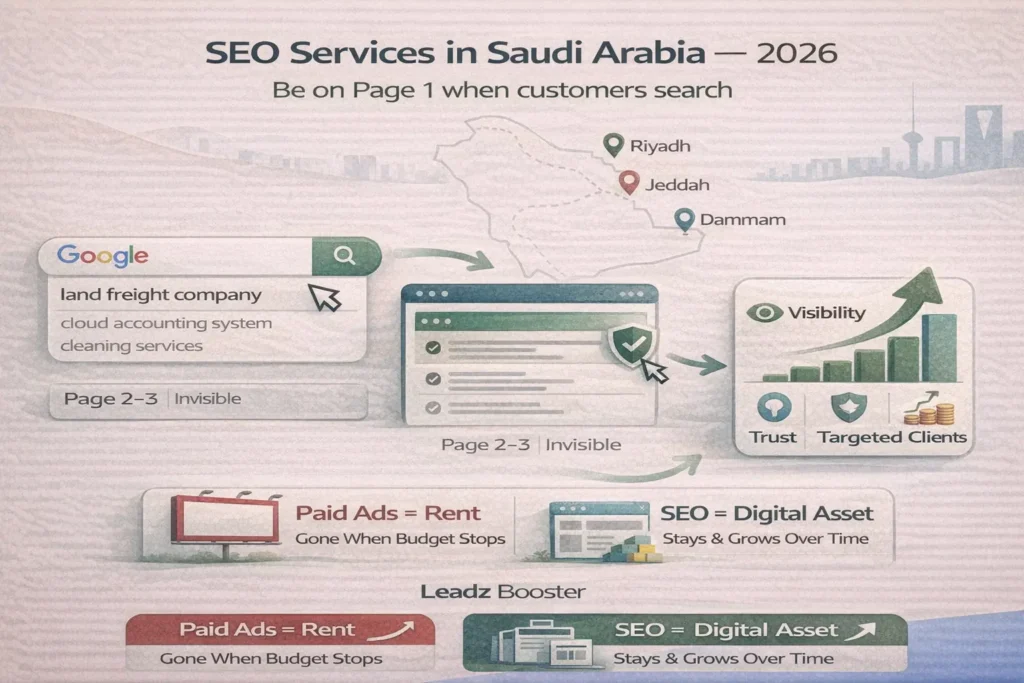
Google Ads provides instant visibility through paid advertisements, while SEO focuses on earning organic rankings over time. With Google Ads, you have complete control over your messaging and targeting, whereas SEO depends on Google’s algorithm updates. The best approach often combines both strategies: use Google Ads for immediate results while building long-term SEO value.
How do I know if my Google Ads campaigns are successful?
Success metrics depend on your business goals, but key indicators include a positive return on ad spend (ROAS), an acceptable cost per acquisition (CPA), and increased conversion volumes. Track both leading indicators (clicks, impressions) and lagging indicators (conversions, revenue) for a complete picture. Compare your results to industry benchmarks and your historical performance to gauge success.