What Does Search Engine Optimization (SEO) Mean and Why Does Your Company Need It Now?
Search Engine Optimization (SEO): Why It Matters?
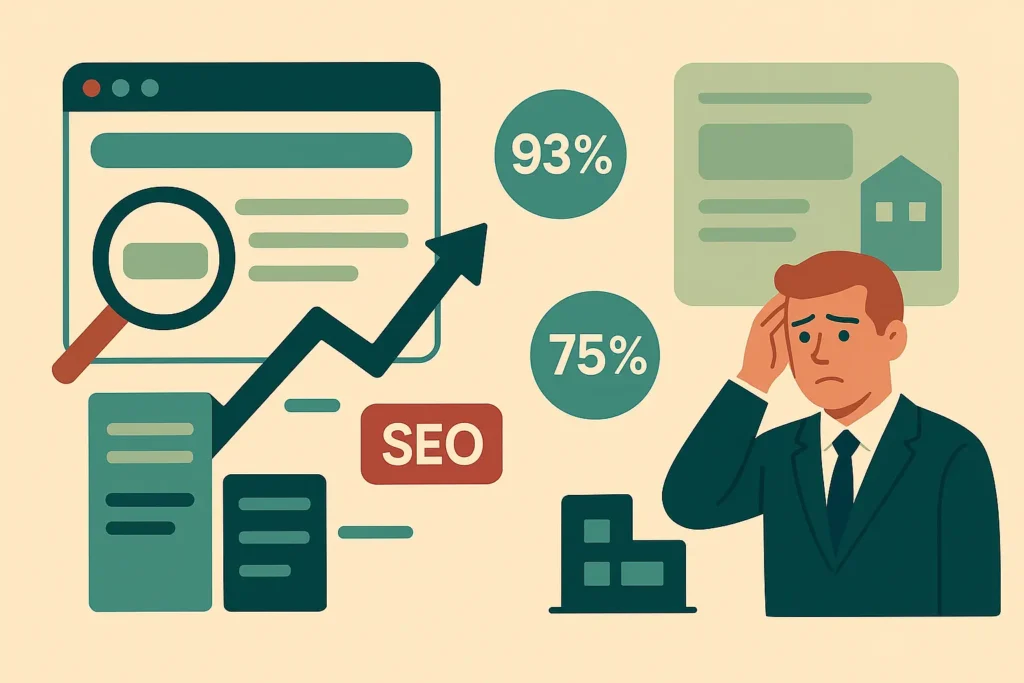
In today’s rapidly shifting digital landscape, we’re witnessing a fundamental transformation in how consumers discover and interact with businesses. The statistics are striking that over 93% of online experiences begin with a search engine, and 75% of users never scroll past the first results page. This dramatic shift in consumer behavior has created an unprecedented gap between companies that invest in Search Engine Optimization (SEO) and those that still ignore this vital digital strategy.
The impact of search rankings on your revenue and growth is no longer indirect, immediate, and measurable. When your potential customers search for the products or services you offer, failing to appear on the first page effectively makes your business invisible to them. You’re not merely missing opportunities; you’re actively losing market share to competitors who understand the power of organic visibility.
The widening gap between businesses that “get” SEO and those that overlook this crucial element expands every day. Your competitors are already executing SEO strategies while you’re still deciding whether it’s worth the investment. This delay doesn’t preserve the status quo—it pushes you further behind in an increasingly competitive market.
What Is Search Engine Optimization (SEO), Simply?
Search Engine Optimization (SEO) is a comprehensive practice of improving your website and online content to increase visibility and rankings on search engine results pages (SERPs). When you implement effective Search Engine Optimization (SEO) strategies, you make your site more attractive and relevant to search engines like Google, making it easier for your target audience to find you when they search for related products or services.
A key distinction to understand is the difference between organic (unpaid) results and paid results. When someone searches for information related to your business, search engines display two types of listings: organic listings that earn their position through relevance and quality, and paid ads that companies pay to display. Search Engine Optimization (SEO) focuses exclusively on boosting your organic rankings, giving you sustainable, long-term visibility without the ongoing costs of paid advertising.
Search engines operate through three core steps that directly affect your visibility. First, they crawl the web using automated programs known as spiders or bots that discover and scan sites. Second, they index the content they find, storing and organizing it in massive databases. Finally, they rank and display results based on hundreds of factors when users perform searches. Understanding this process helps explain why Search Engine Optimization (SEO) requires a strategic, holistic approach rather than quick fixes or shortcuts.
How Do Search Engines Determine Rankings?
Your site’s position in search results depends on numerous ranking factors that search engines evaluate to determine relevance and quality. Among the most important elements are content quality and keyword optimization—search engines analyze how well your content matches users’ queries and how naturally it incorporates relevant keywords. Your content must deliver genuine value to users while strategically including the terms your audience uses when searching for your offerings.
Site speed and user experience play an increasingly critical role in rankings. Search engines favor websites that load quickly, display correctly on mobile devices, and offer intuitive navigation. When users can easily find what they’re looking for and enjoy a positive browsing experience, search engines interpret that as a signal of quality and relevance—improving your rankings accordingly.
Internal and external links significantly influence your site’s credibility and authority in the eyes of search engines. Internal links help search engines understand your site structure and how pages relate to each other, while backlinks from reputable sites act as votes of confidence for your content. Building a strong link profile through ethical SEO demonstrates that others find your content valuable enough to reference and share.
Technical factors—such as site architecture, mobile responsiveness, and security certificates—also contribute to rankings. Search engines prefer sites that follow technical Search Engine Optimization (SEO) best practices, including clean URL structures, optimized images, fast loading speeds, and secure HTTPS connections. Together, these elements create a comprehensive picture of your site’s quality and user-friendliness.
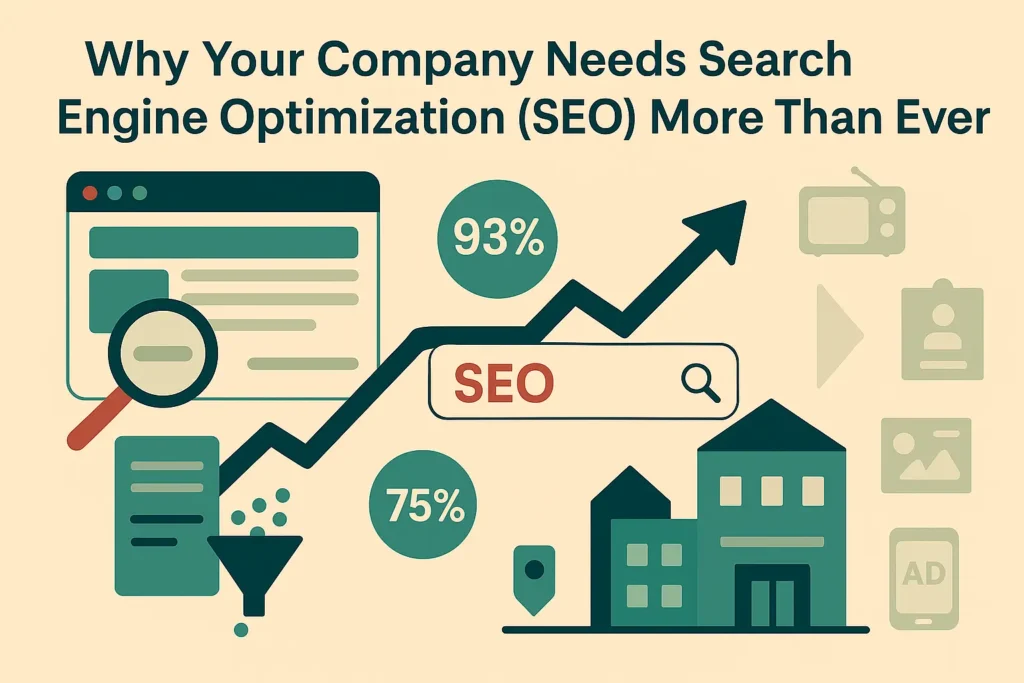
Why Your Company Needs Search Engine Optimization (SEO) More Than Ever
The digital marketplace is more competitive than ever as companies across industries recognize the importance of online visibility. Your potential customers are conducting more searches than at any point in history—researching products, comparing options, and making purchase decisions through search engines. If your business doesn’t appear for relevant searches, you’re missing major opportunities to connect with qualified prospects who are already looking for what you provide.
Consumer behavior has shifted decisively toward digital-first research and purchasing patterns. Even for traditional, offline businesses, customers typically search online before visiting physical locations or making calls. This behavioral change means your online presence—and specifically your search visibility—directly affects website traffic, inbound calls, and brand awareness in ways that weren’t possible a decade ago.
Traditional marketing channels are becoming less effective even as costs rise. TV, radio, print—and even social advertising—face escalating competition for consumer attention, leading to higher acquisition costs and diminished ROI. SEO offers a cost-effective alternative that targets users already interested in your offerings, resulting in higher conversion rates and better returns.
The need to reach new customers at lower costs has never been more urgent. SEO helps you attract qualified, high-intent visitors who are actively searching for your solutions, reducing reliance on interruptive advertising. When you rank well for relevant keywords, your business appears in front of motivated buyers at the exact moment of consideration—creating a more efficient and effective acquisition engine.
Current Conditions That Make SEO an Urgent Investment
The COVID-19 pandemic accelerated digital transformation across industries, radically reshaping how consumers research and buy. Online shopping, service discovery, and digital interactions became necessities rather than luxuries—creating permanent changes in consumer behavior that continue to shape purchase decisions. Your business must adapt by establishing strong online visibility through SEO to remain competitive in this new environment.
E-commerce growth across the Middle East has surged, with online retail sales increasing by more than 300% in some markets since 2020. This growth is both an opportunity and a threat. Companies that lay strong SEO foundations now will capture market share from competitors who delay their digital investments. The window to gain first-mover advantages in search rankings is narrowing as more businesses recognize the importance of organic visibility.
Digital transformation has accelerated within companies and institutions alike, with organizations rapidly adopting online acquisition and retention strategies. Your competitors are investing in digital capabilities—including SEO—to seize market share and establish dominant positions in search results. Delaying your SEO investment doesn’t preserve your current position; it allows competitors to build advantages that become progressively harder and more costly to overcome.
Golden opportunities exist for businesses that become SEO leaders in their industries. Search algorithms favor established authority sites, meaning brands that build strong SEO foundations today will benefit from compounding advantages over time. Your initial SEO investment creates barriers to entry for future competitors while cementing your brand as a trusted authority in your field.
Types of SEO Services
On-page SEO includes all optimization efforts that take place directly on your site to improve search rankings and user experience. Content optimization involves researching and strategically integrating relevant keywords into your site’s on-page copy, ensuring your content effectively answers user queries while maintaining natural readability. This includes optimizing page titles, meta descriptions, section headings, and body content to signal relevance to search engines while delivering value to your visitors.
Technical site optimization focuses on the backend elements that affect crawling and indexing by search engines. This includes improving site speed through image compression and code optimization, ensuring full responsiveness across devices, implementing proper URL structures, and creating XML sitemaps that help search engines understand your site architecture. These technical improvements enhance both search visibility and user experience, contributing to better rankings and higher conversion rates.
Off-page SEO
Covers activities that occur outside your website but influence search rankings and your overall online authority. Building high-quality backlinks from reputable websites signals to search engines that other trusted sources consider your content valuable and reliable. This process requires creating exceptional content that naturally attracts links, cultivating relationships with publications and influencers in your industry, and maintaining a positive reputation across various platforms and directories.
Online reputation management has become integral to off-page SEO strategies. Managing online reviews, social media presence, and brand mentions across the web influences how search engines perceive your authority and trustworthiness. Positive sentiment and consistent brand representation across digital channels contribute to improved search rankings while building customer confidence and reassurance.
Technical SEO addresses the foundational elements that enable search engines to crawl, index, and understand your site content effectively. Ensuring fast page speeds across all devices and connection types directly influences both user experience and rankings. Mobile UX optimization is now critical, as mobile searches account for more than half of all queries—making responsive design and mobile-friendly navigation essential for SEO success.
The Tangible Benefits Your Company Will Gain from SEO
Increased organic traffic is one of the most immediate and clear benefits of effective SEO implementation. Unlike paid advertising—which stops generating traffic the moment you stop paying—organic visibility delivers sustainable, long-term growth that compounds over time. As your rankings improve for relevant keywords, you’ll attract more qualified visitors actively searching for your products or services, leading to higher-quality traffic more likely to convert.
Improved conversion rates and increased sales naturally follow from stronger search visibility and more targeted traffic. When your site appears for relevant queries, visitors arrive with clear intent and specific needs aligned with your offerings. This alignment between user intent and your content or products creates more favorable conditions for conversion—whether that means sales, lead generation, or other desired actions that drive business growth.
Building trust and credibility
Becomes easier when your business consistently appears among the top results for relevant queries. Users instinctively trust websites that rank highly in organic results, viewing them as more authoritative and reliable than those that appear lower—or only via paid ads. This trust advantage translates into higher click-through rates, longer on-site engagement, and a greater likelihood of conversion.
Sustainable, long-term ROI sets SEO apart from most other marketing channels. While initial investments may take several months to bear fruit, the benefits continue well after the foundational work is complete. Unlike paid ads that require ongoing budget allocation, well-executed SEO creates durable value that keeps generating traffic and leads for years—making it one of the most cost-effective marketing strategies available.
Competitive advantages in search results accumulate over time. As your site’s authority and rankings rise, it becomes increasingly difficult for competitors to displace you from top positions. Search engines favor established, trusted sites, meaning early investments in SEO create compounding benefits that strengthen your market position and raise barriers to entry for rivals.
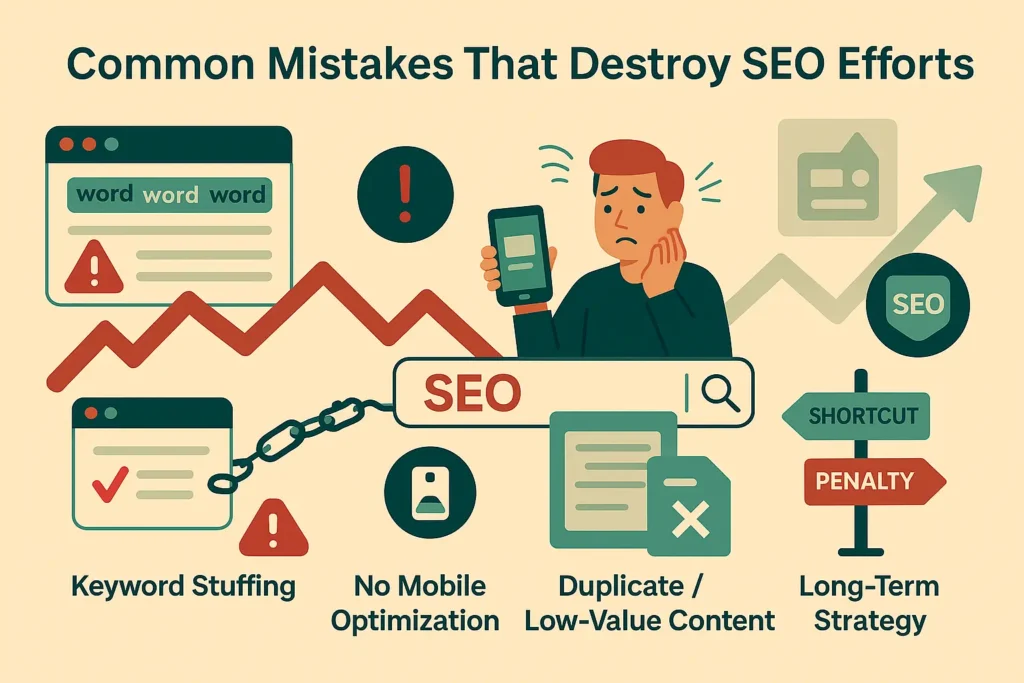
Common Mistakes That Destroy SEO Efforts
Keyword stuffing is one of the most damaging mistakes you can make in your SEO efforts. While keywords matter for search visibility, using them unnaturally can trigger penalties that severely hurt your rankings. Search engines have become sophisticated at detecting artificial keyword density and now favor content that uses keywords naturally within high-quality, valuable information that serves user needs—instead of trying to game ranking algorithms.
Buying low-quality backlinks may look like a shortcut to better rankings, but this practice can lead to harsh penalties that take months or even years to recover from. Search engines value authentic links earned from reputable sites that genuinely find your content valuable. Purchasing links from link farms, irrelevant sites, or low-authority sources signals to search engines that you’re trying to manipulate rankings artificially—and typically results in ranking penalties that outweigh any short-term gains.
Neglecting mobile optimization
Has become a critical error now that mobile search dominates overall search usage. Google and other engines use mobile-first indexing, meaning they primarily rely on your site’s mobile version for indexing and ranking decisions. If your site performs poorly on mobile devices, you’re likely missing substantial traffic and rankings—regardless of how well your desktop site is optimized.
Failing to produce original, valuable content reflects a fundamental misunderstanding of how modern search engines evaluate sites. Engines favor websites that provide unique, useful information that satisfies user needs. Copying content from elsewhere, creating thin or low-value pages, or failing to update content regularly signals to search engines that your site isn’t worthy of ranking for competitive keywords.
Prioritizing quick wins over a long-term strategy often leads to SEO tactics that chase short-term gains at the expense of sustainable growth. Effective SEO requires patience and ongoing effort over months and years. Strategies that promise instant results tend to rely on high-risk tactics that can trigger penalties, whereas sustainable SEO practices build durable value that continues to grow over time.
How to Choose the Right SEO Service Provider
Evaluating SEO agencies requires understanding the core criteria that separate effective providers from those who overpromise and underdeliver. Look for agencies that demonstrate deep knowledge of your industry, explain their strategies clearly, and show proven results through case studies and client testimonials. Reputable providers should articulate their approach in terms you understand, highlighting expertise across both technical and strategic SEO.
Essential questions to ask before signing include inquiries about their specific strategies, expected timelines, reporting procedures, and experience with businesses like yours. Ask about their approach to keyword research, content creation, link building, and technical optimization. Request examples of successful campaigns and client references. Understanding their methodology helps you assess whether their style aligns with your business goals and ethical standards.
Early red flags
Poor practices include guarantees of instant results, promises of #1 rankings quickly. Lack of transparency about methods, or reluctance to explain their strategies. Be cautious of providers who focus primarily on rankings rather than business outcomes. Refuse to deliver regular reports, or rely on “secret” techniques they cannot—or will not—disclose. These warning signs often indicate risky tactics that may harm your site’s long-term performance.
Transparency and regular reporting should be standard expectations in any SEO partnership. Your provider should deliver detailed monthly reports outlining completed work, progress made, and ongoing recommendations. These reports should include data on keyword rankings, traffic growth, technical improvements, and other metrics relevant to your business goals. Consistent communication ensures you understand the value you’re receiving and can make informed decisions about your SEO investment.
Comparing costs versus value requires looking beyond monthly fees to understand each provider’s overall value proposition. Consider the scope of services included, the level of customization to your specific needs, team expertise. And their track record of delivering measurable results. The lowest-cost option may not provide the best value if limited services or a lack of expertise lead to poor outcomes that require additional investments to fix.
Getting Started with SEO: The Right First Steps
Auditing your current site and competitor landscape lays the groundwork for an effective SEO strategy. Comprehensive site audits reveal technical issues and high-impact opportunities that should be prioritized for maximum effect. Competitor analysis helps identify keyword opportunities, content strategies, and link-building tactics used by successful rivals. Providing insights that positively inform your own SEO approach.
Defining your core business keywords requires understanding what your target audience is searching for and which terms offer realistic ranking opportunities. Given your current authority and the competitive field. Effective keyword research balances search volume, competition level, and relevance to your business goals. Focus on head terms that drive traffic and long-tail phrases that often convert better because they capture more specific user intent.
Setting up measurement and tracking tools
Enables you to monitor progress and make data-driven optimization decisions. Google Analytics and Google Search Console provide essential visibility into your site’s performance, search visibility, and user behavior. These free tools deliver comprehensive data on your SEO progress. Helping you distinguish winning strategies from those that need further refinement.
Developing an effective content strategy ensures your SEO efforts support broader business goals while delivering genuine value to your audience. Your content plan should address the questions and needs of your ideal customers while naturally incorporating target keywords. Map content across the full customer journey—from early awareness to consideration and decision. So you can attract, educate, and convert visitors at each stage.
Setting measurable goals on a timeline creates accountability and allows you to evaluate the success of your SEO investment. Establish specific targets for metrics such as organic traffic growth, keyword ranking improvements, and increased lead generation. And the share of revenue attributable to organic search. These goals should be realistic for your starting point and timeframe. Yet ambitious enough to drive growth through better search visibility.
Keep reading and uncover secrets that can change the way you work. How to Benefit from Digital Marketing and SEO
Measuring SEO Success and Evaluating Returns
SEO KPIs go beyond simple ranking improvements and include metrics that tie directly to business outcomes. Quality-of-traffic indicators such as bounce rate, session duration. And pages per session show whether your SEO attracts engaged visitors who find value in your content. Conversion metrics—including leads generated, sales rates, and customer lifetime value—demonstrate the real business impact of better organic visibility.
Using Google Analytics and Search Console provides a comprehensive view of your SEO performance and improvement opportunities. These platforms surface detailed data on user behavior, search queries that bring visitors to your site. Technical issues that may affect rankings and page-level content performance. Regular analysis helps you pinpoint strategies worth scaling and areas needing additional attention or optimization.
Tracking keyword rankings and progress
Requires understanding that positions fluctuate and should be considered trends rather than fixed points. Monitor your target keywords over time, focusing on the overall trajectory rather than day-to-day changes. More importantly, watch how ranking gains translate into increased traffic, engagement, and conversions. These outcomes better reflect the business value of SEO.
Proving SEO’s impact on revenue and sales validates your optimization efforts’ return on investment. Follow organic traffic through the sales funnel to understand how search visibility contributes to lead generation and customer acquisition. Attribution modeling helps reveal the role organic search plays in your broader marketing mix. Often showing that SEO assists conversions that might otherwise be credited to last-click channels.
Ongoing analysis and continuous optimization ensure your SEO strategy evolves with algorithm changes, competitive dynamics, and business goals. Routine performance reviews identify winning tactics to scale and areas where different approaches may yield better results. SEO isn’t a one-and-done project; it’s a continual process requiring consistent attention to maintain and improve outcomes over time.
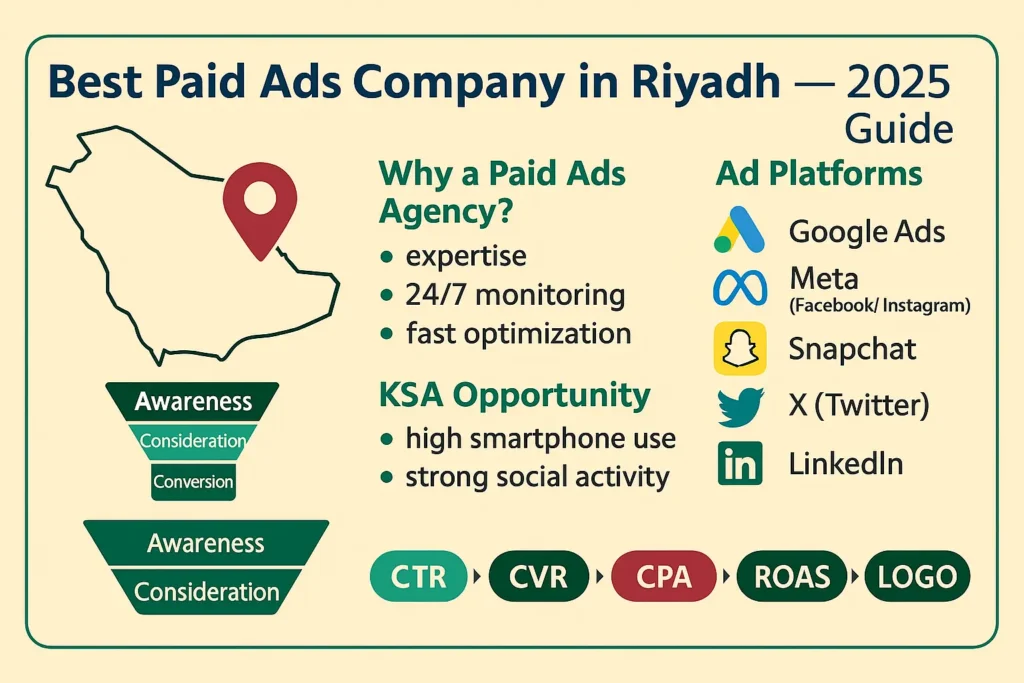
Keep reading and uncover secrets that can change the way you work. A Smart, Practical Marketing Product Plan in Riyadh — Start Now with AI Experts
Invest in Your Company’s Digital Future Today
SEO is a strategic investment in your company’s long-term digital visibility rather than just another marketing service with short-term benefits. Unlike ad campaigns that deliver immediate but temporary results, effective SEO creates compounding value that strengthens over time. Your early SEO investment establishes digital assets that keep generating traffic, leads, and sales long after the initial implementation. Making SEO one of the most cost-effective marketing investments available for the long term.
Early movers that become SEO leaders in their industries gain durable competitive advantages that become increasingly difficult for rivals to overcome. Search engines favor trusted, established websites. Which means businesses that lay strong SEO foundations today will enjoy preferred placements that reinforce themselves over time. Competitors who postpone SEO will face rising costs and longer timelines to achieve the same results. You can start compounding now.
The true cost of delaying SEO extends far beyond the monthly fees you think you’re saving by putting optimization on hold.
Every month you wait is lost traffic, uncontacted prospects, and missed sales opportunities that your competitors capture instead. Moreover, the later you begin, the more effort is required to catch rivals who started earlier. Making late investment more expensive than acting now.
Practical first steps to begin your SEO journey immediately include running a thorough site audit to identify technical issues and improvement opportunities. Start producing valuable content that answers your customers’ questions while naturally incorporating relevant keywords. Claim and optimize your Google Business Profile and other local directories to boost local search visibility. These initial actions build momentum while you develop a comprehensive SEO strategy.
A forward-looking vision for companies that adopt SEO as a core strategy includes sustainable competitive advantages. Reduced dependence on paid advertising and improved customer acquisition costs. As competition and costs rise across digital marketing. Businesses with strong organic search presence will enjoy cost advantages and market positioning that support long-term growth and profitability in an increasingly digital marketplace.
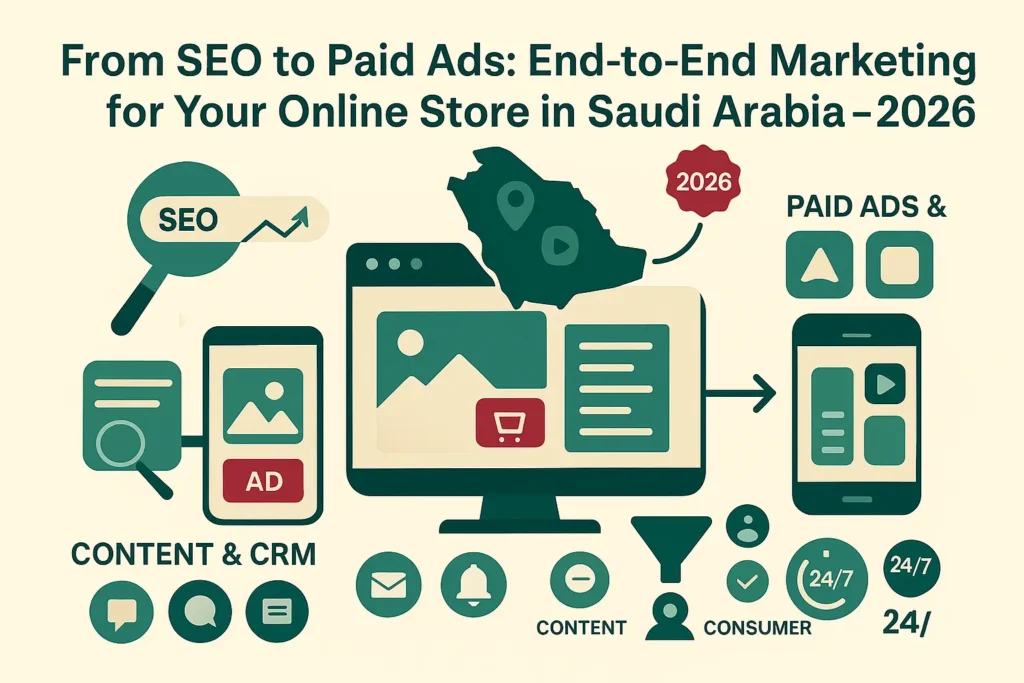
Keep reading and uncover secrets that can change the way you work. From SEO to Paid Ads: End-to-End Marketing for Your Online Store in Saudi Arabia — Your 2026 Guide
Transform Your Digital Presence Starting Now
Your company’s digital future depends on what you do today to build strong search visibility and a competitive position. SEO isn’t just another marketing tactic. It’s a core business strategy that determines whether your ideal customers can find you when they’re ready to buy. Companies that recognize this truth and act accordingly will dominate their markets in the digital age. Those who delay will become increasingly invisible in an internet-first world.
The window to capitalize on first-mover SEO advantages will not remain open forever. More businesses recognize the importance of organic search visibility. Competition for top positions intensifies—making early action more valuable than ever. Investing in professional SEO today positions your company to capture market share, build durable competitive advantages. And create sustainable growth that continues to deliver results for years to come.
Turn your goals into real achievements with our tailored services – request the service now.
Ready to turn your website into a real client-generating asset?
Book a free consultation with the Leadz Booster team — we review your current tools and suggest a practical roadmap that fits your budget and growth goals in Saudi Arabia.
Or contact us directly via WhatsApp to start your quick website diagnosis.
Search Engine Optimization (SEO): Frequently Asked Questions
How long does it take to see Search Engine Optimization (SEO) results?
Most businesses begin to see noticeable improvements in search visibility and traffic within 3–6 months of implementing a comprehensive
Search Engine Optimization (SEO) strategy. Major outcomes that materially impact business growth usually require 6–12 months of consistent effort.
Timelines depend on your current site condition, competition level, and the breadth of your optimization work.
Can you rely on Search Engine Optimization (SEO) alone for digital marketing?
While Search Engine Optimization (SEO) drives long-term, sustainable traffic growth, it performs best as part of an integrated strategy with
social media, paid advertising, email, and content marketing. These channels work synergistically—each amplifies the others to produce stronger
overall results than any single channel alone.
What do Search Engine Optimization (SEO) services cost in the Arab market?
Costs vary by scope, competition, and included services. Typical ranges:
- $500–$1,500/month for foundational Search Engine Optimization (SEO) for small businesses.
- $2,000–$5,000/month for comprehensive programs in competitive industries.
- Enterprise custom solutions may cost more but can deliver higher returns via market-share and visibility gains.
Can we learn Search Engine Optimization (SEO) and handle it in-house?
You can learn core principles and implement them internally—especially for smaller sites in less competitive niches. However, significant results in competitive
markets often require specialized expertise, dedicated time, and ongoing attention. Professional Search Engine Optimization (SEO) providers bring experience, tools,
and focused execution that typically produce better results more efficiently than purely in-house efforts.